



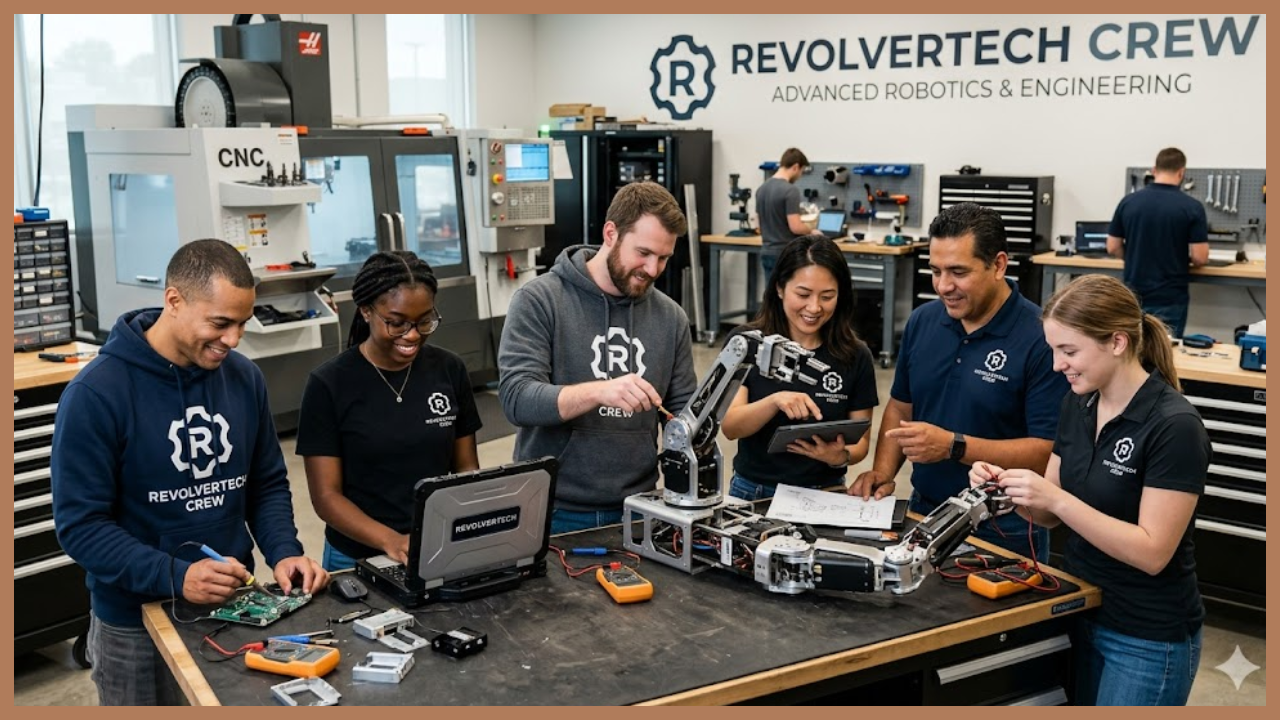
Digital media has changed rapidly over the last decade, creating demand for creative teams that understand both technology and online communication. Modern audiences expect fast websites, engaging articles, visually appealing content, and consistent updates across different platforms. Because of these expectations, collaborative online teams have become essential for maintaining growth and visibility in competitive industries. One name that has started attracting attention in technology discussions is revolvertech crew. Many online users are curious about how this team operates, why its digital presence is growing, and what makes it relevant in today’s internet-driven environment.
The growth of technology-focused platforms has increased interest in the people working behind the scenes. Readers no longer focus only on the final content because they also want to understand the systems, workflows, and creative strategies involved in digital publishing. Professional online teams often combine technical knowledge, creative storytelling, and search optimization to build stronger audience engagement. This approach allows digital brands to remain competitive while adapting to changing trends in media and technology. As online communication continues evolving globally, collaborative teams are becoming one of the most important parts of modern digital success.
What Is Revolvertech Crew?
The term revolvertech crew generally refers to a group of professionals connected with the Revolvertech platform or digital brand. These individuals may include developers, writers, editors, SEO specialists, designers, multimedia creators, analysts, and technical managers working together to maintain and grow a digital platform. Modern digital operations depend heavily on teamwork because successful online brands require expertise in multiple areas simultaneously. A single platform may involve technical maintenance, content publishing, audience engagement, and marketing strategies all at once. Teams capable of handling these responsibilities efficiently are often more successful in maintaining online visibility and audience trust.
The revolvertech crew likely operates through a collaborative structure where each member contributes specialized skills to improve overall performance and productivity. This approach allows digital teams to manage multiple tasks without sacrificing content quality or user experience. Technology-focused platforms especially require strong coordination because technical issues, audience trends, and algorithm changes can affect visibility rapidly. Teams that adapt quickly to these changes often maintain stronger online growth and better audience retention. This adaptability may be one reason why the revolvertech crew continues receiving attention from readers interested in digital innovation and technology-driven collaboration.
Understanding the Role of Modern Digital Teams
Technology-based media platforms depend heavily on teamwork because online operations involve many responsibilities at once. Websites must remain technically optimized while also publishing informative and engaging content regularly. Successful digital operations usually require developers, writers, designers, SEO specialists, and marketing professionals working together toward common goals. Collaboration improves efficiency because each specialist focuses on a specific area while supporting the overall platform strategy. This structure has become increasingly common in digital industries where speed, consistency, and quality all matter equally.
The internet has also changed how teams communicate and manage projects. Cloud systems, remote collaboration tools, and automation software now allow professionals to work together from different locations worldwide. These technologies help digital brands publish faster and respond more quickly to audience behavior and industry changes. Teams that adapt efficiently to these modern workflows often experience stronger long-term growth. This shift toward flexible collaboration continues shaping the future of online publishing and digital communication. Digital brands that understand how to manage collaborative workflows effectively are usually more capable of handling large-scale publishing demands and changing market expectations.
Why Collaborative Media Teams Matter
Collaborative digital crews play an important role in maintaining consistency and improving online experiences for readers. Audiences prefer platforms that publish high-quality information in organized and visually appealing formats. A structured team environment helps ensure that technical performance, design quality, and content standards remain strong across all channels. Digital brands that operate without proper coordination often struggle to maintain visibility and audience trust over time. Modern online competition makes teamwork more valuable than ever before.
The importance of collaboration continues increasing because digital platforms now operate across websites, mobile applications, video channels, and social media networks simultaneously. Managing all these areas effectively requires communication and organization between multiple specialists. Teams that understand how to coordinate content, branding, and technical systems are more likely to build long-term authority online. Strong collaboration also allows platforms to respond quickly to audience feedback and industry developments. This ability to adapt efficiently helps maintain relevance in fast-changing digital environments.
Digital Innovation and Online Visibility
Online visibility has become one of the most important goals for modern media platforms. Search engines prioritize websites that deliver strong user experiences, reliable information, and optimized performance across mobile and desktop devices. This means digital teams must understand not only content production but also technical SEO, audience behavior, and platform performance. Consistent publishing and strong branding further improve visibility in competitive industries. Platforms that successfully balance creativity with technical optimization generally achieve stronger audience growth.
Technology trends also continue influencing how online platforms operate. Artificial intelligence, analytics systems, and automation tools have transformed the way content is planned and distributed. Digital teams now rely heavily on performance data to understand which topics attract audiences and how readers interact with online platforms. These insights help improve engagement strategies and increase search engine rankings. Modern media operations are becoming increasingly data-driven because audience behavior changes quickly in competitive online spaces.
Digital innovation also helps platforms improve user satisfaction and retention. Faster loading speeds, responsive designs, and interactive experiences encourage visitors to stay on websites longer and explore more content. Search engines recognize these positive interactions and may reward optimized platforms with improved visibility. Technology-focused media brands therefore invest heavily in innovation because it directly influences both audience engagement and long-term growth. Teams that consistently improve digital experiences are often better positioned for sustainable success.
The Importance of Audience Engagement
Audience engagement is essential for maintaining long-term digital growth. Readers are more likely to return to websites that provide useful information, fast loading speeds, and clear formatting. Engaging content also encourages visitors to spend more time exploring related topics across a platform. This interaction helps strengthen online authority and improves visibility within search engines. Building trust through consistent quality remains one of the most valuable goals for digital media teams.
Modern audiences also expect platforms to communicate in ways that feel authentic and informative. Websites that understand reader interests and provide relevant content generally experience stronger engagement levels over time. Consistent audience interaction helps build loyal communities that support long-term visibility and brand recognition. Digital teams therefore focus heavily on improving communication strategies and user experiences across all online channels. Strong engagement not only increases traffic but also strengthens the overall reputation of a digital platform.
Technology Trends Shaping Online Media
The digital industry continues evolving as new technologies reshape online communication and publishing methods. Artificial intelligence tools now assist with content research, automation, and audience analysis. Cloud collaboration systems allow creative professionals to work remotely while maintaining organized workflows. Video production, multimedia integration, and mobile optimization have also become major priorities for modern digital brands. Teams that adapt quickly to these developments often gain advantages in highly competitive industries.
Another major trend involves the increasing importance of mobile-friendly experiences. Most internet users now access content through smartphones and tablets rather than desktop computers. Websites must therefore load quickly, display properly on smaller screens, and provide easy navigation across all devices. Search engines also favor mobile-optimized platforms because they improve user satisfaction. Digital teams that focus on responsive design and technical performance usually experience stronger search visibility and audience retention.
Technology trends are also changing how audiences consume information online. Video content, interactive media, and personalized experiences are becoming increasingly popular across digital platforms. Online users now expect visually engaging formats that provide information quickly and clearly. Teams capable of adapting to these changing expectations often maintain stronger audience growth and online relevance. Innovation continues driving competition within digital industries, making adaptability one of the most important qualities for modern media operations.
The Impact of SEO on Digital Growth
Search engine optimization remains one of the most powerful tools for online growth. Proper optimization helps websites appear in search results when users look for relevant information. This increases traffic, improves brand awareness, and supports long-term visibility across digital platforms. Effective SEO strategies include keyword placement, structured formatting, internal linking, and performance optimization. Platforms that consistently follow these practices often build stronger authority within their industries.
SEO also improves user experience because optimized websites are generally easier to navigate and faster to access. Readers prefer platforms that provide organized information without technical issues or confusing layouts. Search engines reward these positive experiences by improving rankings and increasing visibility. Digital teams therefore focus heavily on balancing technical optimization with informative content creation. This combination helps strengthen both audience trust and online performance over time.
The Challenges of Running a Digital Platform
Running a successful online platform involves several ongoing challenges. Competition in digital media is extremely high because thousands of websites publish similar content daily. Maintaining originality and audience attention therefore requires constant creativity and strategic planning. Teams must also adapt regularly to search engine algorithm updates that can affect rankings and visibility. Staying competitive requires continuous learning and technical improvement.
Content consistency is another major challenge for modern media operations. Audiences expect regular updates without reductions in quality, which places pressure on production teams and workflows. Technical issues such as cybersecurity, performance optimization, and scalability also require careful management. Platforms that fail to maintain stable systems may lose audience trust and engagement over time. Strong coordination and effective communication are essential for overcoming these challenges successfully.
Digital platforms must also manage changing audience behavior across multiple online channels. Trends on social media, search engines, and multimedia platforms evolve quickly, making flexibility essential for long-term growth. Teams that monitor these developments carefully are better prepared to adjust strategies and maintain relevance. Consistent innovation helps online brands remain competitive while improving overall user satisfaction. The ability to adapt efficiently often determines whether a platform continues growing or loses visibility over time.
Adapting to Rapid Industry Changes
The digital world changes quickly, making adaptability one of the most valuable strengths for any online platform. Technology trends, audience interests, and publishing strategies evolve constantly across internet industries. Teams that monitor these developments carefully can respond faster and maintain stronger relevance in competitive markets. Continuous improvement and innovation help platforms remain visible while supporting long-term audience growth. Businesses and media brands that fail to adapt often struggle to compete against more flexible digital operations.
Adaptability also helps platforms maintain audience trust during industry transitions. Readers expect websites to provide updated information, modern designs, and reliable performance regardless of changing technologies. Digital teams that invest in innovation and continuous learning are more likely to maintain consistent growth. This focus on flexibility allows online platforms to respond effectively to both opportunities and challenges within evolving digital environments.
The Future of Digital Collaboration
The future of digital collaboration looks increasingly promising as businesses continue investing in online communication and multimedia experiences. Technology-driven platforms are expected to expand further because internet usage continues growing worldwide. Teams that combine technical expertise with creative storytelling will likely remain highly valuable within the evolving digital economy. Artificial intelligence and advanced analytics may also improve workflow efficiency and audience targeting in the coming years.
Digital audiences are becoming more selective about the content they trust and consume regularly. Platforms that focus on quality, consistency, and user experience are more likely to maintain loyal audiences over time. Professional collaboration helps ensure that these standards remain strong even as industries continue evolving rapidly. The future of online publishing will likely depend heavily on innovation, teamwork, and adaptability within technology-focused environments.
Future digital platforms may also rely more heavily on automation and personalized experiences. Artificial intelligence systems can help analyze audience behavior and improve content recommendations for readers. Multimedia integration, virtual experiences, and interactive storytelling may further change how users consume information online. Teams capable of adapting to these technologies will likely maintain stronger positions within competitive digital industries. Innovation will continue shaping the future of media and online communication worldwide.
[FAQs]
Q1: What is the purpose of a digital media team?
A digital media team helps manage online publishing, technical optimization, content creation, and audience engagement across multiple platforms and devices.
Q2: Why is the revolvertech crew discussed online?
The revolvertech crew is gaining attention because people are interested in modern collaborative teams connected with technology-focused media and digital innovation.
Q3: How does SEO help online platforms grow?
SEO improves visibility in search engines, helping websites attract more visitors and increase long-term audience engagement through optimized content structures.
Q4: What skills are important in digital publishing?
Digital publishing often requires expertise in content writing, design, analytics, technical optimization, marketing, and communication strategies.
Q5: Why is mobile optimization important today?
Most users browse the internet through smartphones, so websites must load quickly and display properly on mobile devices for better user experiences.
Q6: How do digital platforms maintain audience engagement?
Platforms maintain engagement by publishing useful content consistently, improving user experience, and adapting to changing audience interests over time.
Q7: What is the future of online collaboration?
Online collaboration is expected to expand further as remote workflows, multimedia publishing, and technology-driven communication continue growing globally.
Conclusion
The modern digital landscape depends heavily on collaboration, innovation, and technical expertise. Online platforms that combine creative communication with optimized performance usually achieve stronger visibility and audience engagement. As internet industries continue evolving, professional digital teams are becoming increasingly important for maintaining growth and competitiveness. The rise of revolvertech crew reflects the growing interest in collaborative online operations and technology-driven publishing strategies.
