



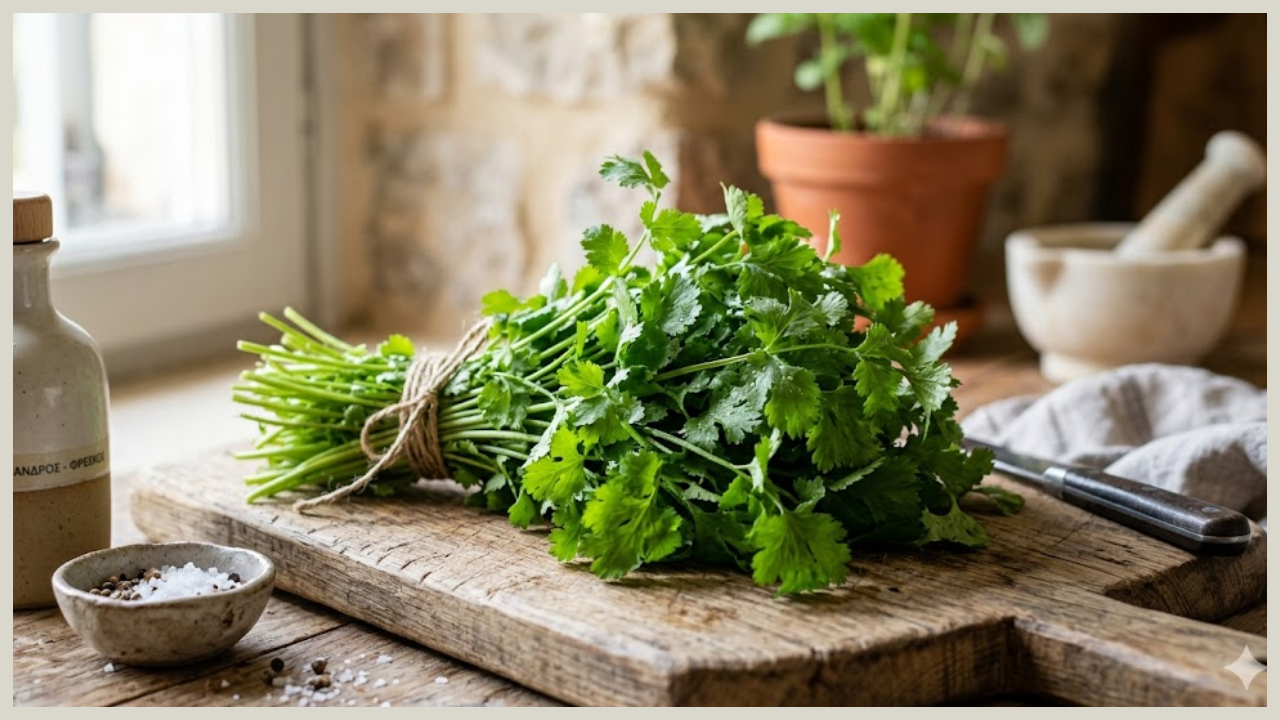
Koriandri has become one of the most searched herbs among people interested in cooking, natural ingredients, and healthy lifestyles. Known in many countries as coriander or cilantro, this herb is valued for its fresh aroma, vibrant flavor, and versatility in countless dishes around the world. From traditional curries and soups to modern salads and sauces, coriander continues to hold an important place in both professional kitchens and home cooking. The herb is appreciated not only for its taste but also for its nutritional value and connection to traditional wellness practices that have existed for centuries. As more consumers focus on natural foods and balanced eating habits, this herb continues to grow in popularity across global cuisines and health-conscious communities.
Who Is Koriandri?
Koriandri refers to the herb commonly known as coriander, a plant belonging to the parsley family that is widely cultivated around the world. The leaves and stems are usually consumed fresh, while the seeds are dried and used as a spice in different forms of cooking. In several countries, the fresh leaves are called cilantro, while the seeds and entire plant are generally referred to as coriander. This herb is known for its distinct flavor profile that combines freshness, mild citrus notes, and earthy undertones, making it suitable for a wide variety of recipes. Because of its versatility and historical importance, coriander has become one of the most recognized and frequently used herbs in international cuisine.
The popularity of coriander continues to rise because it can be used in both simple homemade meals and advanced culinary preparations. Fresh coriander leaves are often added to dishes at the end of cooking to preserve their bright flavor and aroma, while coriander seeds are commonly roasted and ground into spice blends. Many chefs and food enthusiasts appreciate the herb because it complements vegetables, meats, seafood, rice dishes, and sauces without overpowering other ingredients. Its ability to blend naturally into different cuisines has made it an essential herb across multiple regions of the world. Today, coriander remains a staple ingredient in millions of kitchens because of its balance of flavor, freshness, and nutritional value.
The History of Coriander
The history of coriander dates back thousands of years and connects to some of the earliest civilizations in human history. Ancient Egyptians reportedly used coriander in cooking and ceremonial practices, while Greek and Roman cultures valued the herb for both culinary and medicinal purposes. Historical evidence suggests that coriander was cultivated around the Mediterranean region before gradually spreading through Europe, Asia, and the Middle East due to trade routes and cultural exchanges. Over time, the herb became deeply integrated into traditional cuisines where it was appreciated for its fragrance and versatility. The continued global popularity of coriander demonstrates how important this herb has remained throughout different historical periods and culinary traditions.
Throughout history, coriander was often associated with natural healing practices and herbal remedies in many cultures. Traditional systems of medicine sometimes used coriander seeds in herbal mixtures intended to support digestion and overall wellness. The herb’s pleasant aroma and flavor also made it valuable in preserving and enhancing food before modern refrigeration methods existed. In many parts of Asia and the Middle East, coriander became closely connected with family recipes passed down through generations. Its long-standing historical presence continues to contribute to the growing interest in natural ingredients among modern consumers.
Nutritional Value of Koriandri
One reason this herb remains highly valued is because of its nutritional profile and natural plant compounds. Fresh coriander leaves contain vitamins, minerals, antioxidants, and nutrients that support balanced eating habits and overall wellness. The herb is commonly associated with vitamin C, vitamin K, and naturally occurring antioxidants that may help protect the body from oxidative stress. Because coriander is low in calories and rich in flavor, it can enhance meals without adding unnecessary fats or processed ingredients. This combination of taste and nutritional support makes coriander a practical ingredient for individuals seeking healthier food choices.
Many people include coriander in their diets because it helps make healthy meals more flavorful and enjoyable. The fresh leaves add brightness and aroma to vegetable dishes, soups, and salads, while coriander seeds contribute warmth and depth to curries and spice blends. The herb also encourages the use of homemade recipes that rely on fresh ingredients rather than heavily processed seasonings. In wellness-focused diets, fresh herbs like coriander are often appreciated for their ability to improve meal quality naturally. As interest in clean eating and natural cooking continues to increase, coriander remains a preferred herb among nutrition-conscious consumers around the world.
Culinary Uses of Koriandri
Koriandri is widely recognized for its remarkable versatility in cooking and food preparation. Fresh coriander leaves are commonly used as a garnish because they provide a refreshing aroma and vibrant appearance that enhances the presentation of dishes. Coriander seeds are often dried, roasted, and ground into spice powders used in curries, soups, sauces, marinades, and roasted foods. The herb works well with vegetables, seafood, chicken, lentils, rice dishes, and spicy preparations, making it suitable for many different culinary styles. Its balanced flavor allows it to complement other ingredients without becoming overpowering, which is one reason chefs and home cooks continue to rely on coriander in daily cooking.
Different cuisines around the world use coriander in unique ways that reflect regional traditions and flavor preferences. South Asian cuisine often uses coriander leaves in curries, biryanis, chutneys, and street foods because of their fresh and cooling taste. Mexican cuisine commonly adds fresh coriander to tacos, salsa, and grilled dishes to create vibrant flavors and colorful presentation. Mediterranean and Middle Eastern recipes frequently include coriander seeds in spice mixtures that add warmth and earthy notes to roasted vegetables and meats. Asian soups and noodle dishes also benefit from the refreshing qualities of fresh coriander leaves. This widespread culinary use highlights how adaptable and universally appreciated coriander has become in global cooking traditions.
Health Benefits of Koriandri
Many people value coriander because of its long association with healthy eating habits and traditional wellness practices. Herbal traditions in several cultures have used coriander as part of natural preparations intended to support digestion and general well-being. Modern nutrition discussions continue exploring the antioxidants and plant compounds found in coriander leaves and seeds because of their potential contribution to balanced nutrition. While coriander should not replace professional medical treatment, it remains a beneficial addition to healthy meals and natural diets. Including fresh herbs in cooking may also encourage reduced dependence on processed sauces and artificial flavor enhancers.
Coriander is often connected with digestive comfort because of its refreshing properties and traditional culinary use. In some cultures, coriander seeds are included in teas and herbal drinks consumed after meals to support digestion and improve overall meal satisfaction. Many individuals also appreciate coriander because it enhances flavor naturally without excessive salt, sugar, or processed ingredients. The herb’s refreshing aroma contributes to a more enjoyable dining experience and encourages the use of fresh foods in everyday cooking. As more consumers focus on healthier eating habits and natural wellness, coriander continues to maintain strong popularity across different lifestyles and food cultures.
Growing Coriander at Home
Growing coriander at home has become increasingly common among people interested in gardening, fresh ingredients, and sustainable cooking habits. The herb grows relatively quickly and is considered suitable even for beginner gardeners because it does not require highly complicated maintenance techniques. Coriander generally grows best in well-drained soil with moderate sunlight and consistent watering that keeps the plant healthy without causing excessive moisture. Many home gardeners prefer cultivating fresh coriander because it often provides a stronger aroma and fresher flavor than packaged herbs purchased from stores. Homegrown coriander also allows households to access fresh ingredients whenever needed for cooking and meal preparation.
The popularity of home gardening has contributed significantly to the rising interest in fresh herbs like coriander. Maintaining a small herb garden encourages healthier cooking habits by making fresh ingredients more accessible and convenient. Many individuals enjoy the satisfaction of harvesting coriander leaves directly from their own gardens and incorporating them into homemade dishes. Growing herbs at home may also reduce food waste because fresh coriander can be harvested in smaller amounts as needed rather than stored for long periods. As sustainable living and natural lifestyles continue gaining attention worldwide, coriander remains one of the most practical and rewarding herbs to grow at home.
Why Koriandri Remains Popular Worldwide
The continued popularity of koriandri can be linked to its unique balance of flavor, freshness, nutrition, and cultural importance. Unlike many herbs that are limited to specific cuisines, coriander is widely accepted across international cooking traditions because it adapts naturally to different ingredients and flavor profiles. The herb appeals to professional chefs, home cooks, gardeners, and health-conscious consumers alike because it offers multiple benefits in one ingredient. Its long history in traditional cuisine and wellness practices also contributes to its lasting reputation and worldwide demand. Coriander’s versatility ensures that it continues to remain relevant in both traditional recipes and modern healthy eating trends.
Another reason coriander remains highly valued is because consumers increasingly prefer natural and minimally processed ingredients in their meals. Fresh herbs provide flavor enhancement without relying on artificial additives or heavy seasonings, making them attractive to people seeking balanced diets and healthier lifestyles. Coriander fits perfectly into this growing preference because it enhances dishes naturally while contributing freshness and aroma. As global culinary trends continue emphasizing fresh ingredients and homemade cooking, coriander is expected to remain one of the most widely used herbs across different regions and cultures. Its enduring popularity reflects the timeless appeal of simple, flavorful, and nutritious ingredients.
FAQs About Coriander
Q1: What is koriandri commonly known as?
It is commonly known as coriander or cilantro in many parts of the world. The fresh leaves are often called cilantro, while the seeds are referred to as coriander seeds.
Q2: Is coriander healthy for daily use?
Yes, this herb is widely considered healthy because it contains vitamins, antioxidants, and natural plant compounds that support balanced nutrition and healthy eating habits.
Q3: Can coriander be used in cooking?
This herb is commonly used in curries, soups, salads, sauces, rice dishes, and spice blends across many international cuisines and cooking styles.
Q4: What does coriander taste like?
Fresh leaves have a refreshing and slightly citrus-like flavor, while the seeds provide a warm, earthy, and mildly nutty taste.
Q5: Can coriander be grown at home?
Yes, it is considered one of the easiest herbs to grow at home because it grows quickly with moderate sunlight and proper watering.
Q6: Why is coriander popular worldwide?
This herb is popular because of its versatility, nutritional value, refreshing aroma, and compatibility with many international recipes and cuisines.
Q7: Are coriander leaves and coriander seeds the same?
They come from the same plant but have different flavors and culinary uses. The leaves are fresh and aromatic, while the seeds are dried and commonly used as a spice.
Conclusion
Koriandri continues to hold an important place in global cuisine because of its refreshing flavor, nutritional value, and incredible versatility in cooking. Whether used as fresh leaves in salads and curries or as dried seeds in spice blends and marinades, coriander enhances countless recipes across different cultures and culinary traditions. Its long history in traditional wellness practices and international cuisines demonstrates why this herb has remained highly respected for generations. Coriander also supports modern healthy eating habits by encouraging the use of fresh and natural ingredients in everyday meals. As more people around the world embrace balanced lifestyles and flavorful home cooking, this herb is expected to remain one of the most popular and widely appreciated ingredients for years to come.
