



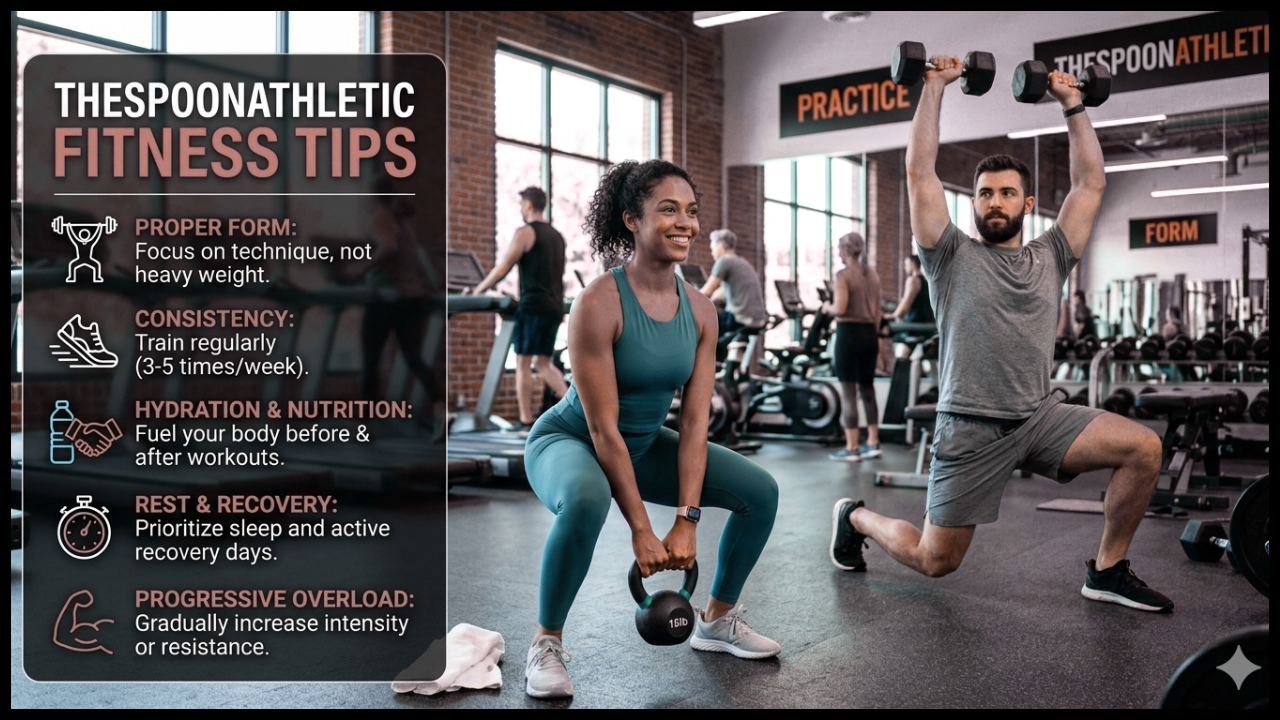
In today’s fast-paced lifestyle, many people struggle to maintain a consistent and effective fitness routine due to conflicting advice and unrealistic expectations. This is where thespoonathletic fitness tips provide a structured, practical, and sustainable approach to health and wellness. Instead of focusing on extreme diets or intense short-term workouts, this method promotes balance, consistency, and gradual improvement. It is designed to help individuals build long-lasting habits that fit naturally into everyday life without overwhelming complexity. Whether someone is a beginner or already active, this system offers clarity and direction for steady progress. It integrates exercise, nutrition, and recovery into a complete lifestyle approach that supports long-term health. Ultimately, it encourages individuals to focus on progress rather than perfection for meaningful results.
Who Is Behind TheSpoonAthletic?
The concept behind this fitness philosophy is not tied to a single influencer but rather a modern wellness approach developed to simplify fitness for everyday people. The creators aim to make health and fitness more accessible by breaking down complex training and nutrition ideas into easy, actionable steps. Instead of promoting unrealistic standards, they focus on sustainable habits that can be maintained over time. This approach reflects a growing demand for practical fitness systems that work in real life. It emphasizes education, clarity, and long-term consistency over quick transformations. As a result, it has gained attention among individuals looking for realistic ways to improve their lifestyle.
Understanding TheSpoonAthletic Fitness Tips
The foundation of thespoonathletic fitness tips is built on balance between exercise, nutrition, and recovery. It avoids extreme methods and instead encourages steady, manageable progress that can be maintained long-term. The idea is to help individuals listen to their bodies and adjust routines based on their personal needs. By simplifying fitness, it removes confusion and makes consistency easier to achieve. Over time, this leads to improved strength, endurance, and overall wellness. The approach is designed not just for physical transformation but also for developing a healthier mindset toward fitness.
Core Principles of Sustainable Fitness
The system is built around realistic goals, consistency, and long-term sustainability rather than perfection. It encourages small, achievable actions that gradually build stronger habits over time. Mental well-being is also an important part of the process, recognizing the connection between mind and body. This balanced philosophy helps reduce burnout and keeps individuals motivated. By focusing on progress instead of pressure, fitness becomes a more enjoyable part of daily life.
Why Consistency Matters More Than Intensity
Consistency is far more effective than short bursts of extreme effort when it comes to long-term fitness results. Regular movement and balanced routines allow the body to adapt and improve gradually. This approach reduces the risk of injury and helps maintain energy levels. Over time, small consistent efforts create significant improvements in strength and endurance. It also makes fitness easier to integrate into everyday life without stress.
Workout Planning for Long-Term Progress
Creating a structured workout plan is essential for achieving steady progress and avoiding confusion. The thespoonathletic fitness tips for beginners emphasize starting with simple exercises that gradually increase in intensity. A well-balanced routine includes strength training, cardio, and mobility work. This ensures that all aspects of physical fitness are developed evenly. By keeping workouts varied and structured, individuals are more likely to stay motivated and consistent.
Strength Training for Muscle Development
Strength training helps build lean muscle, improve metabolism, and enhance overall body strength. It focuses on compound movements that target multiple muscle groups efficiently. Proper technique is essential to avoid injury and maximize results. Gradually increasing resistance supports continuous improvement over time. This makes strength training a core component of any effective fitness routine.
Cardio for Heart Health and Stamina
Cardiovascular exercise plays a key role in improving heart health and building endurance. Activities such as walking, cycling, or running help strengthen the cardiovascular system. The key is choosing enjoyable activities that can be maintained consistently. Even short sessions can provide meaningful health benefits when done regularly. This makes cardio an accessible and flexible part of fitness.
Nutrition and Healthy Lifestyle Habits
Nutrition is a critical part of any fitness journey and directly impacts energy, performance, and recovery. The thespoonathletic fitness tips and nutrition guide encourages balanced eating instead of restrictive dieting. A healthy diet includes proteins, carbohydrates, healthy fats, vitamins, and minerals. Hydration also plays a vital role in maintaining physical and mental performance. Developing mindful eating habits helps individuals stay consistent without unnecessary restrictions.
Building Better Eating Habits
Healthy eating habits are formed through consistency and awareness rather than strict rules. Choosing whole, minimally processed foods supports overall well-being. Maintaining regular meal times helps stabilize energy throughout the day. Avoiding extreme diets makes long-term adherence easier. Over time, these habits naturally improve health and fitness outcomes.
Understanding Nutritional Balance
Nutritional balance involves consuming the right mix of nutrients to support the body’s needs. It ensures steady energy levels, better recovery, and improved performance. Rather than focusing on restriction, the goal is to build sustainable eating patterns. This approach helps create a healthier relationship with food. It also supports long-term fitness success without stress.
Recovery and Rest for Better Performance
Recovery is a crucial part of fitness that is often overlooked but essential for progress. The thespoonathletic fitness tips for weight loss highlight the importance of rest, sleep, and muscle recovery. Without proper recovery, the body cannot repair and grow effectively after workouts. Rest days help prevent burnout and reduce the risk of injury. Sleep also plays a major role in energy restoration and overall health.
Importance of Rest Days
Rest days allow the body to recover from physical stress and prepare for future workouts. They help prevent fatigue and improve long-term performance. Light activities such as stretching or walking can support active recovery. Including rest in a fitness routine ensures sustainability. This balance is essential for avoiding overtraining and maintaining progress.
Sleep and Muscle Recovery
Sleep is one of the most important factors in physical recovery and performance. It supports muscle repair, hormone balance, and mental clarity. Poor sleep can negatively impact energy levels and workout performance. Maintaining a consistent sleep schedule improves overall fitness results. Quality sleep also enhances focus and daily productivity.
Benefits of a Sustainable Fitness Approach
Following this fitness method offers long-term benefits that go beyond physical appearance. It improves energy levels, mental clarity, and overall confidence. The flexibility of the system allows it to be adapted to different lifestyles and goals. Over time, individuals develop discipline and healthier habits. This makes fitness more enjoyable and sustainable in the long run.
Lifestyle Transformation Through Consistency
Consistency is the key driver of long-term lifestyle change. Small daily habits gradually lead to major improvements in health and fitness. This approach encourages patience and long-term thinking. It helps individuals stay committed even when progress feels slow. Over time, these habits become a natural part of life.
Frequently Asked Questions
1. What are thespoonathletic fitness tips?
They are a structured fitness approach focused on balance and sustainability.
They combine workouts, nutrition, and recovery for long-term health.
2. Are they suitable for beginners?
Yes, they are designed for all fitness levels.
Beginners can start slowly and progress gradually.
3. Can I follow this without a gym?
Yes, many exercises can be done at home without equipment.
Consistency is more important than location.
4. How important is nutrition?
Nutrition is essential for energy and recovery.
Balanced eating supports overall fitness progress.
5. Does this help with weight loss?
Yes, it supports gradual and sustainable weight loss.
The focus is on long-term healthy habits.
6. How often should I train?
A balanced routine includes regular workouts and rest days.
Consistency is more important than intensity.
7. Why is recovery important?
Recovery allows muscles to repair and grow.
It prevents injury and improves performance.
Conclusion
This fitness approach focuses on building a simple, balanced, and sustainable lifestyle that supports long-term health rather than short-term results. By combining structured exercise, mindful nutrition, and proper recovery, it creates a complete system that anyone can follow regardless of fitness level. The goal is to help individuals develop consistency, discipline, and confidence in their daily routines. Instead of chasing extreme workouts or restrictive diets, it promotes steady improvement that lasts. Over time, these habits lead to better strength, energy, and mental clarity. With patience and commitment, this method becomes a powerful way to achieve lasting fitness success and overall well-being in everyday life.
