



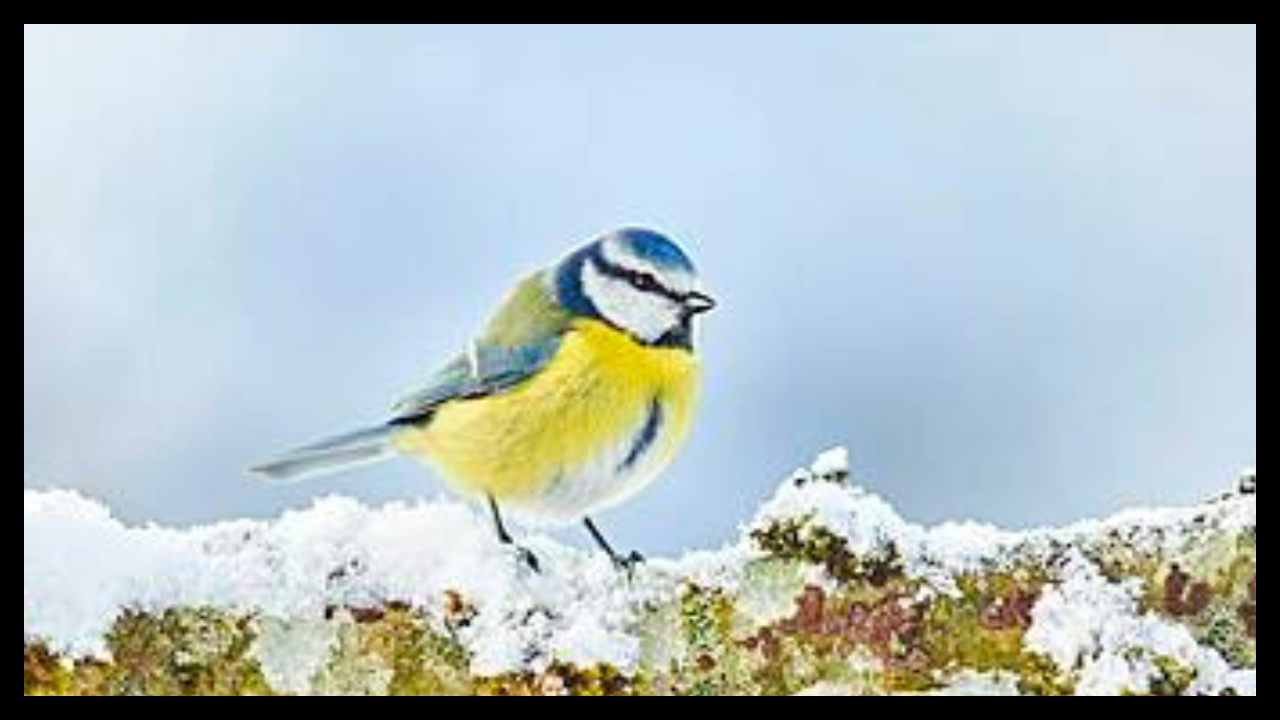
As winter arrives and temperatures begin to fall, many people start asking where do blue tits go in winter. These small, colorful birds are a familiar and lively presence during spring and summer, often seen visiting gardens and parks. However, once the cold weather sets in, their sudden disappearance can feel puzzling. The truth is that blue tits do not simply vanish but instead adjust their behavior to cope with seasonal changes. Their survival depends on smart movement, diet changes, and finding safe shelter. By understanding these patterns, you can better appreciate their resilience and even encourage them to stay near your home. This detailed guide explains how they manage to survive harsh conditions in winter.
Who Is This Guide For?
This content is ideal for bird watchers, nature enthusiasts, and homeowners who enjoy seeing wildlife in their gardens. Whether you are just starting to notice birds or have years of observation experience, this guide offers valuable insights. It is especially useful for those curious about seasonal bird behavior and how to attract birds during colder months. If you’ve ever been confused about seasonal bird disappearance, this guide will help clear your doubts with practical explanations. It also provides useful tips for keeping birds active around your home in winter. In addition, this guide is helpful for students, bloggers, and SEO writers looking to understand bird-related topics in depth. It can also support educators or parents who want to explain nature and seasonal changes in a simple and engaging way.
Winter Movement and Habitat Behavior
Short-Distance Relocation Patterns
When studying seasonal bird behavior, it becomes clear that these birds are not long-distance migrants. Instead, they move only short distances to find better food and shelter. These movements often take them from open gardens to nearby woodlands, hedgerows, or parks. They remain within familiar regions while adjusting to changing conditions. This helps them conserve energy during cold months. Even when they seem absent, they are usually still present in the local environment.
Preference for Sheltered Environments
During winter, these birds prefer safe and protected habitats. Thick hedges, evergreen trees, and dense shrubs become their main shelter zones. These areas protect them from wind, rain, and freezing temperatures. In urban areas, gardens with plants and feeders also become important resting spots. Because they spend more time hidden, people often assume they have disappeared. In reality, they are simply staying in safer locations.
Feeding Habits and Survival Strategies
Seasonal Diet Adjustments
A major survival factor is diet change. Insects become scarce during winter, so these birds shift to seeds, nuts, and berries. These foods provide the energy needed to stay warm during cold nights. High-fat foods are especially important for maintaining body heat. Garden feeders play a key role in supporting them during this time.
Common winter foods include:
- Sunflower seeds
- Unsalted peanuts
- Fat balls and suet
- Natural berries
These food sources help them survive harsh conditions and stay active.
Night Shelter and Roosting Behavior
At night, they search for warm and safe sleeping spots. Tree cavities, nest boxes, and dense vegetation are commonly used for roosting. These shelters protect them from predators and freezing winds. On very cold nights, they may even roost close together to share warmth. This behavior greatly improves their survival chances in extreme weather.
Visibility Changes During Winter Months
Lower Activity and Energy Conservation
One reason people wonder about seasonal bird disappearance is reduced visibility. These birds become less active during winter to save energy. Shorter days limit feeding time, so they focus only on essential activities. They also avoid unnecessary movement to reduce energy loss. This makes them much harder to spot compared to warmer months.
Movement in Small Flocks
During winter, they often join small mixed-species flocks. These groups help them find food more efficiently and stay protected from predators. They travel through wooded areas instead of open gardens. If you notice fewer birds in your yard, they are likely foraging nearby in safer habitats. This group behavior is a key survival strategy.
Practical Ways to Support Blue Tits in Winter
Helping these birds survive winter is simple and effective.
Ways to help:
- Install feeders with high-energy foods
- Provide fresh, unfrozen water
- Place nest boxes for shelter
- Grow berry-producing plants
- Avoid harmful pesticides
FAQs
Do blue tits migrate in winter?Do blue
No, they usually stay in the same region and move only short distances.
Why are blue tits less visible in winter?
They become more secretive and spend time in sheltered areas.
What do blue tits eat in winter?
They eat seeds, nuts, berries, and high-energy suet foods.
Where do blue tits sleep in winter?
They sleep in tree holes, nest boxes, and dense vegetation.
Can they survive freezing temperatures?
Yes, if they have enough food and safe shelter.
How can I attract them to my garden?
Provide food, water, and nesting or roosting spaces.
Are they active during winter?
Yes, but their activity level is reduced to conserve energy.
Conclusion
Understanding how birds survive winter reveals their incredible adaptability. They remain close to familiar areas while adjusting their feeding and shelter habits. Instead of migrating far away, they rely on smart survival strategies such as diet changes, reduced activity, and hidden roosting spots. These adjustments help them conserve energy and survive harsh weather conditions. Even when they are not easily seen, they are still part of the local environment. By providing food, water, and shelter, people can support their survival and enjoy their presence throughout the winter season in their gardens.
