



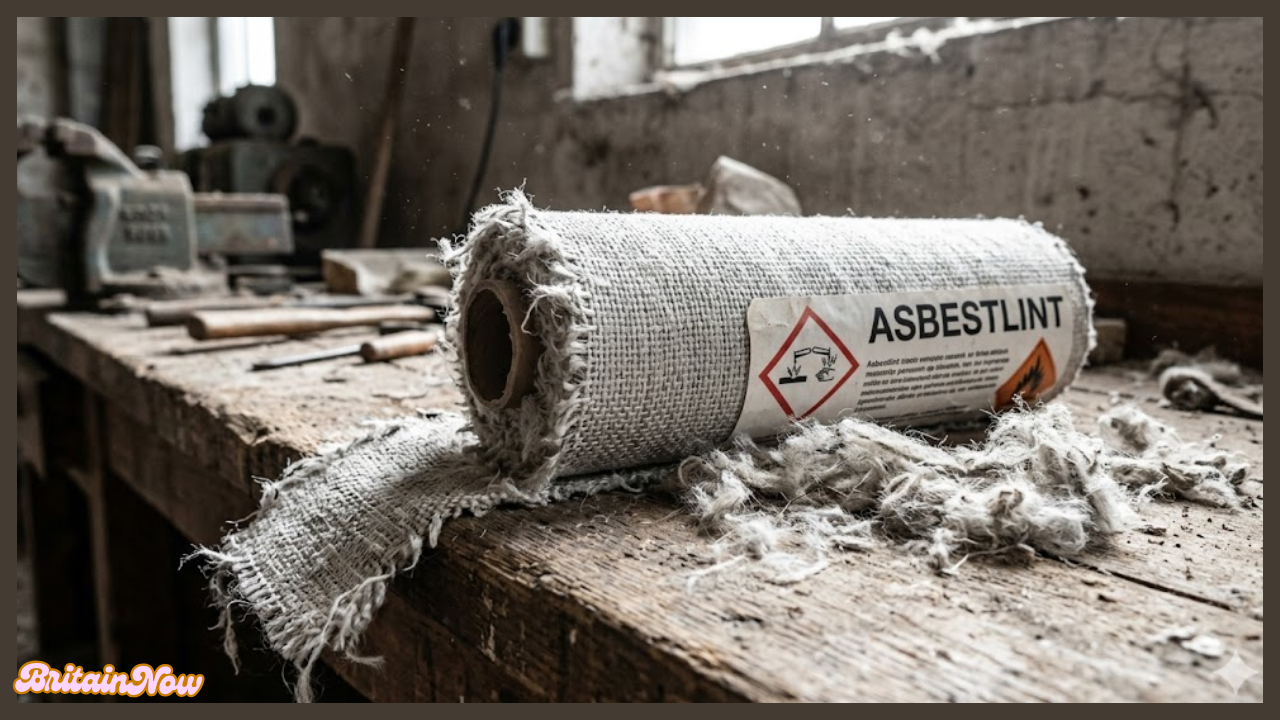
Many people do not realize that asbestlint can quietly exist in older buildings without being noticed. It often looks like normal dust, which makes it easy to ignore during daily cleaning or maintenance. Over time, these fine fibers can build up and move through the air, especially when surfaces are disturbed. This creates a hidden problem that continues to grow without clear warning signs. Because it blends into the environment, people rarely think about the long-term effects. Understanding how it behaves is the first step toward staying safe. In many homes, this issue develops slowly without drawing attention. Small signs are often missed until the problem becomes more noticeable. This is why early awareness plays an important role in prevention. Paying attention to indoor air quality can make a big difference. A careful approach helps reduce risks before they grow.
Who Is Affected by Asbestlint
People who spend time in older homes or buildings may come into contact with this material without even knowing it. This includes residents, workers, and even short-term visitors who share the same indoor space. Those involved in repairs or renovations often face higher exposure because they disturb materials that release fibers. At the same time, everyday activities like cleaning or moving objects can also spread particles into the air. This means the risk is not limited to one group but can affect anyone in the environment. Awareness helps reduce this silent exposure. People who stay indoors for long hours may face greater contact over time. Children and older adults can also be more sensitive to changes in air quality. Even offices and workplaces may carry similar risks if the building is old. This makes it important for everyone to stay informed. A shared understanding leads to better safety for all.
What Is Asbestlint and Why It Matters
This material forms when aging building components slowly release tiny asbestos fibers into the surrounding air. These fibers are extremely light, which allows them to stay airborne longer than ordinary dust. As a result, people may breathe them in repeatedly without noticing any immediate change. Over time, this repeated exposure becomes more concerning than a single event. The danger lies in how easily it spreads and how slowly its effects appear. Paying attention to this process helps people understand why it should not be ignored. The longer these fibers remain in the air, the higher the chance of inhalation. This makes enclosed spaces more risky compared to open areas. Many people underestimate how persistent these particles can be. Once released, they do not disappear quickly. This is why careful monitoring is always important.
Where Asbestlint Is Commonly Found
In many cases, this issue develops in areas where older materials have started to break down. Insulation, ceilings, and flooring can all release fine fibers as they age or become damaged. Once released, these particles settle on surfaces but can rise again with simple movement in the room. This constant cycle makes it difficult to fully remove without proper care. Even normal daily activity can keep the particles circulating in the air. Recognizing these patterns makes it easier to stay cautious in the right situations. Corners, vents, and hidden spaces can collect more of these particles over time. Areas that are rarely cleaned may hold higher amounts without being noticed. Even small vibrations can lift settled fibers back into the air. This makes regular inspection more important than occasional cleaning. A careful look at these areas can help reduce long-term buildup.
Health Effects of Asbestlint
Breathing in these fibers does not usually cause immediate symptoms, which is why many people overlook its impact. Instead, the particles can remain in the lungs and slowly affect health over a long period. This delayed response makes it harder to connect the cause with the effect. Over time, repeated exposure increases the chance of serious conditions developing. The gradual nature of this risk is what makes it more concerning. Staying aware of long-term exposure is essential for protecting health. Many people continue daily routines without realizing the hidden effects. The body may not show warning signs until much later. This delay can make prevention more difficult if ignored early. Understanding these risks helps people take action sooner. A proactive approach always leads to better outcomes.
How to Stay Safe from Asbestlint
Reducing exposure often starts with simple awareness and careful handling of older materials. Avoiding unnecessary disturbance can help limit how much fiber enters the air. When repairs are needed, taking a controlled and cautious approach makes a noticeable difference. Good airflow and regular checks also help keep the environment safer over time. In some cases, professional help provides the most reliable solution. Small steps taken early can prevent larger problems from developing later. Keeping surfaces clean in a gentle way can also reduce airborne particles. Using the right methods matters more than frequent cleaning. Sudden actions can sometimes make the problem worse instead of better. This is why a calm and careful approach is always best. Safety improves when small habits are followed consistently.
Why Early Awareness Is Important
Early awareness of this issue can make a strong difference in preventing long-term problems. When people understand the risks early, they are more likely to take careful steps in daily activities. This reduces the chances of disturbing harmful materials without knowing. Small actions, like being cautious during cleaning or repairs, can help limit exposure. Over time, these habits create a safer indoor environment. Awareness also helps people recognize warning signs before they become serious. The earlier the problem is noticed, the easier it is to manage. This makes knowledge one of the most important tools for safety. Staying informed supports better decisions in the long run. A little awareness today can prevent bigger problems tomorrow.
How It Spreads Indoors
This material can spread easily within indoor spaces without drawing attention. When fibers are released, they travel through the air and settle on different surfaces. Simple movements like walking, opening doors, or using fans can lift these particles again. This creates a cycle where fibers continue to move around the space. Over time, they may reach areas far from the original source. This makes it harder to control once it has spread widely. Poor ventilation can increase this problem by keeping particles inside for longer periods. Understanding how it spreads helps people take better precautions. Controlled airflow and minimal disturbance can reduce movement. Managing the environment carefully helps limit this ongoing cycle.
FAQs
What is this material?
It is fine dust-like asbestos fibers released from old building materials.
Is it harmful?
Yes, long-term exposure can affect lung health and cause serious conditions.
Can I see it easily?
No, it is usually too small and looks like normal dust.
Where is it commonly found?
Mostly in older buildings with aging insulation, ceilings, or flooring.
Can cleaning remove it?
Regular cleaning is not always enough and may spread it further.
Do I need experts for removal?
Yes, professional handling is the safest option.
How can I reduce exposure?
Avoid disturbing old materials and keep indoor spaces well ventilated.
Final Thoughts
This issue is often hidden because it looks like everyday dust, but its long-term impact can be serious if ignored. Older buildings are more likely to contain materials that release harmful fibers into the air over time. Awareness of how this material behaves helps people take safer decisions in daily life. Simple precautions, like avoiding unnecessary disturbance and maintaining proper ventilation, can significantly reduce risks. When needed, professional assistance ensures safe handling and proper control of affected areas.
