



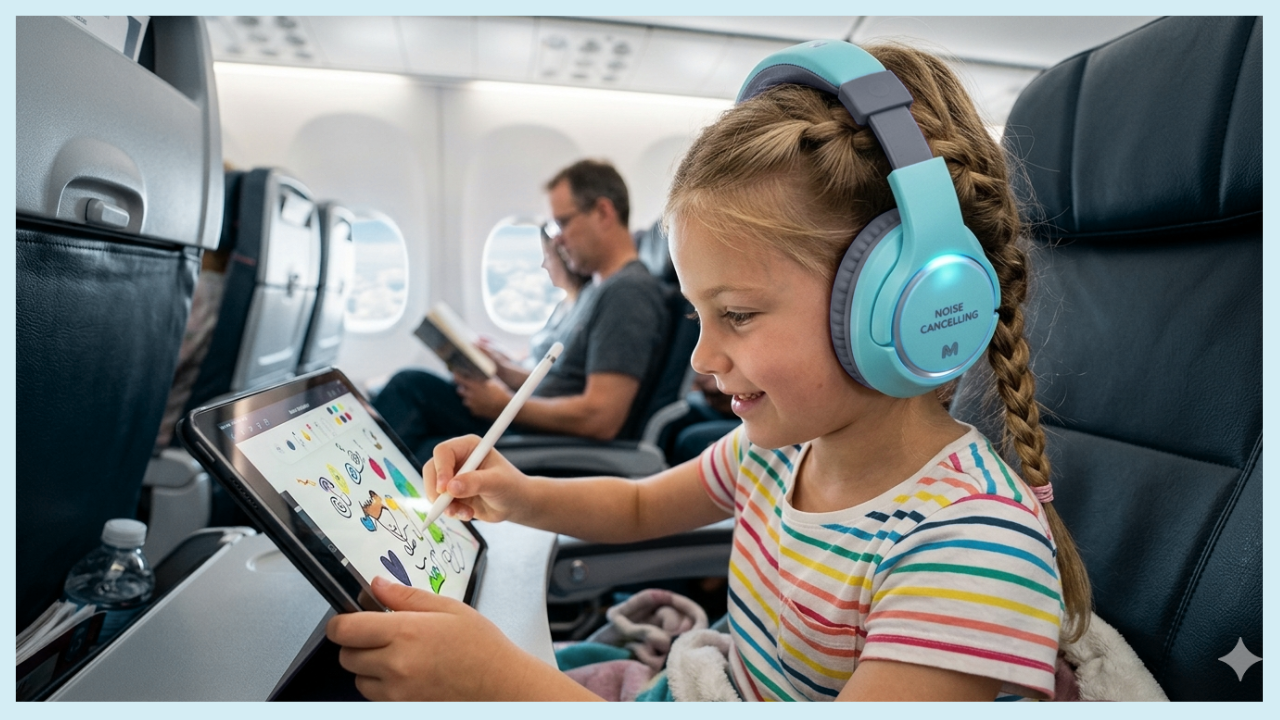
In today’s fast-paced and noisy environment, children are constantly exposed to sounds that can affect their focus, comfort, and even hearing health. From online classes to travel and entertainment, having the right audio device has become essential. This is where noise cancelling headphones for kids play a vital role by creating a quieter and more controlled listening experience. Parents are now prioritizing headphones that combine safety features with modern technology. These devices not only reduce distractions but also help children stay engaged in learning and relaxation. Understanding how they work and what to look for can make a significant difference in your buying decision.
Additionally, modern parenting requires smart tools that support both education and well-being. Investing in the right audio solution can help children adapt better to digital lifestyles.
Who Are These Headphones Designed For?
These specially designed headphones are created for young users who need a safer and more comfortable listening experience. Unlike regular models, they include features that protect developing ears while still delivering clear sound. They are ideal for children who attend online classes, travel frequently, or live in busy households. Kids with sensory sensitivities or attention difficulties can also benefit greatly from reduced background noise. These headphones cater to a wide age range, typically from toddlers to pre-teens. Their design focuses on durability, comfort, and ease of use for everyday situations.
They are also suitable for children who enjoy gaming, audiobooks, or music in a controlled environment. Parents can rely on them as a versatile tool for both entertainment and productivity.
Key Features to Look For
Choosing the right noise cancelling headphones for kids requires understanding the features that truly matter. Parents should focus on safety, comfort, and functionality to ensure long-term usability. A well-designed pair can improve both learning and entertainment experiences. Features like volume control, fit, and sound quality should not be overlooked. Each element contributes to how effective the headphones will be in real-life situations. Below are the most important features to consider.
It is also important to compare different models and read reviews before making a decision. This ensures you choose a product that meets both your expectations and your child’s needs.
Volume Limiting for Safe Listening
One of the most critical features is volume limiting, which typically caps sound at 85 decibels. This helps prevent hearing damage caused by prolonged exposure to loud audio. Children may not always recognize when the volume is too high, so this feature acts as a safeguard. Many health experts recommend this limit for safe listening practices. It ensures that kids can enjoy music or lessons without risk. Parents should always prioritize this feature when making a purchase.
Consistent use of safe listening levels can help prevent long-term hearing issues. It also builds healthy listening habits from an early age.
Comfort and Adjustable Design
Comfort plays a major role in how often children will use their headphones. Soft ear cushions, lightweight materials, and adjustable headbands make a big difference. A proper fit ensures better noise isolation and prevents discomfort during long sessions. Durable construction is also important for handling daily wear and tear. Kids tend to be active, so the headphones must withstand regular use. A comfortable design encourages consistent usage and better overall experience.
Good ergonomics also reduce pressure on the ears and head during extended use. This makes the headphones suitable for study sessions, travel, and relaxation alike.
Benefits of Noise Cancelling Technology
The advantages of using noise cancelling headphones for kids go beyond simply reducing sound. These headphones can positively impact a child’s ability to focus and relax. By minimizing distractions, they create an environment that supports better concentration. This is especially useful for studying or engaging with educational content. They also help reduce stress in noisy environments such as airplanes or crowded places. Over time, this can contribute to improved productivity and emotional well-being.
Parents often notice that children become more independent in managing their tasks. This leads to better time management and improved daily routines.
Improved Focus and Learning
Children often struggle to concentrate in noisy surroundings, which can affect their academic performance. Noise cancellation helps block out distractions, allowing them to stay engaged with their tasks. This is particularly helpful during online classes or homework sessions. A quieter environment leads to better understanding and retention of information. Parents often notice improved study habits when kids use these headphones. It becomes easier for children to complete tasks efficiently.
A focused environment also reduces frustration and improves confidence in learning. Over time, this can contribute to better academic outcomes.
Better Travel and Relaxation Experience
Traveling can be overwhelming due to constant noise and unfamiliar surroundings. These headphones provide a sense of calm and comfort during journeys. Kids can enjoy their favorite content without interruptions. This makes long trips more enjoyable and less stressful for both children and parents. The ability to relax in noisy environments is a major advantage. It helps create a more pleasant travel experience overall.
They also help children maintain a sense of routine while traveling. This can make transitions between environments much smoother and less stressful.
When and Where Kids Can Use Them
Understanding where noise cancelling headphones for kids are most useful helps parents maximize their value. These headphones are versatile and suitable for various situations. From home to school and travel, they provide consistent benefits. Their ability to reduce noise makes them a practical tool in many environments. Knowing the best use cases can guide your purchasing decision. Below are some common scenarios where they are most effective.
They can also be used during quiet time, reading sessions, or creative activities. This versatility makes them a valuable addition to any child’s daily routine.
School and Study Time
In learning environments, distractions can significantly impact performance. Headphones help create a focused space for studying or attending online classes. They block out background noise from siblings or household activities. This allows children to concentrate better on their lessons. A clear audio experience improves communication during virtual learning. As a result, kids can perform better academically.
They also support independent learning by helping children stay engaged longer. This is especially useful in hybrid or remote learning setups.
Travel and Outdoor Activities
Outdoor environments often come with unpredictable noise levels. Headphones help maintain a consistent listening experience regardless of surroundings. They are especially useful during flights, car rides, or public transport. Kids can stay entertained without being disturbed by external noise. This makes outings more enjoyable and less tiring. Parents also benefit from a quieter and more relaxed child.
They can also be useful in waiting areas, restaurants, or crowded crowded places. This ensures children remain calm and comfortable in busy settings.
FAQs
Are noise cancelling headphones safe for children?
Yes, they are safe when they include volume limiting features that keep sound levels within recommended limits. Parents should always choose models designed specifically for kids to ensure proper safety standards.
What age is appropriate for kids to use these headphones?
Most headphones are suitable for children aged 3 and above, depending on the design and size. It’s important to select a model that fits comfortably and securely on your child’s head.
Do kids really need noise cancellation?
Noise cancellation is helpful for improving focus and reducing distractions in noisy environments. It is especially beneficial for studying, travel, and children with sensory sensitivities.
How long can kids wear headphones safely?
Experts recommend limiting usage to about one to two hours at a time with breaks in between. This helps prevent ear fatigue and ensures safe listening habits.
Are wireless headphones better for kids?
Wireless options provide more freedom of movement and reduce the risk of tangled wires. However, both wired and wireless models can be suitable depending on the child’s needs.
Can these headphones be used for school?
Yes, many models are designed specifically for online learning and classroom use. They often include microphones and features that enhance communication and focus.
Do noise cancelling headphones affect kids’ hearing development?
When used correctly, they do not negatively affect hearing development. In fact, headphones with volume limiting features can help protect children’s ears from harmful noise levels. It’s important for parents to monitor usage and ensure kids take regular breaks.
Final Thoughts
Choosing the right noise cancelling headphones for kids is an important step toward ensuring both safety and comfort in a noisy world. These headphones provide a reliable way to protect hearing while enhancing focus and relaxation. With the right features, they can support learning, travel, and everyday activities. Parents should carefully consider factors like volume limiting, comfort, and durability before making a purchase. Investing in a quality pair can make a noticeable difference in a child’s daily routine. As technology continues to evolve, these devices will remain an essential tool for modern parenting.
Making an informed decision today can lead to long-term benefits for your child’s health and development. It also ensures a more enjoyable and stress-free listening experience in every
