



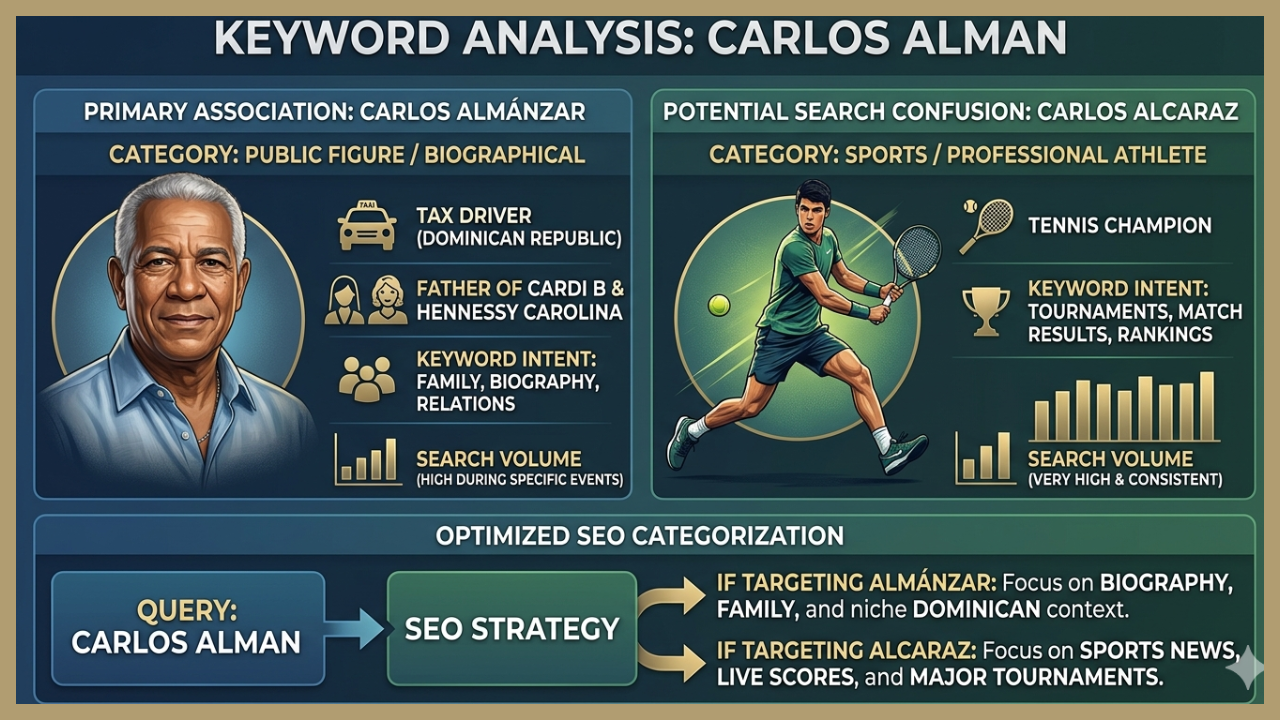
People often search the internet for unfamiliar names because curiosity drives most online behavior today, and this situation clearly applies here. Over time, users have pushed this name into search engines more frequently as they try to understand who the person is and why it appears across different online spaces. In today’s digital environment, even simple keywords gain attention when users repeatedly search for them. This growth happens because user interest creates visibility instead of traditional media exposure. In this case, curiosity fuels the entire trend, and search engines respond directly to that behavior. As a result, the topic keeps circulating across platforms and continues to gain attention without any official background or confirmed identity.
Who Is Carlos Alman?
Many users now search this name because they want to understand its origin and meaning in different online contexts. At present, very limited verified public information exists, and this lack of data increases curiosity among internet users. People often discover the name through social media posts, comment sections, or indirect references, then they actively search for more details. Since no confirmed biography or official identity exists, the name stays unclear and unverified in public records. This absence of information keeps users searching repeatedly, which increases visibility across search engines. Over time, this behavior turns the name into an online mystery rather than a confirmed public figure.
Why Is Carlos Alman Being Searched Online?
Repeated exposure across digital platforms drives most of the search activity behind this name. Users see it in posts, discussions, or comments, and then they search it to understand its meaning or context. This behavior creates a cycle where searches increase visibility and visibility encourages even more searches. Since no official information exists, curiosity grows instead of decreasing. Social media also amplifies this effect by spreading mentions across different platforms. As more people search for clarity, the keyword continues to rise in trends. This ongoing cycle explains why the name stays active in search engines even without media attention or public confirmation.
Online Presence and Visibility
Search engine activity shapes the online presence of this name more than any official recognition or public identity. Users regularly search phrases like “who is this” or “background details,” and this behavior increases visibility in search systems. Even without verified profiles or media coverage, repeated searches push the keyword into trending data. Modern visibility depends heavily on user behavior, not just fame or documentation. In this case, curiosity builds the presence instead of traditional publicity. As people continue searching, the name maintains steady visibility across platforms and remains part of ongoing digital search patterns.
Background Information and Public Curiosity
Very limited background information exists, and this lack of clarity increases curiosity among users across the internet. People try to connect the name with different contexts or assumptions based on where they first see it online. Since no verified source explains it clearly, users continue searching for answers instead of ignoring it. This behavior strengthens the search volume and keeps the topic active. In digital environments, missing information often creates more engagement rather than less. As curiosity spreads, the name gains attention across platforms, and users continue to explore it repeatedly through search engines.
Search Trends and Growing Interest
Search engines show rising interest in this topic mainly because users repeatedly search for clarification. Even small increases in search activity affect visibility and push the keyword into suggestions and trending results. Users often type questions like “biography details” or “who is this,” and these repeated queries increase its digital presence. Search algorithms respond directly to this behavior and expand visibility based on demand. As more users engage with similar searches, the trend continues to grow naturally. This shows how user behavior alone can drive online recognition without any official announcements or media support.
Role of Social Media in Visibility
Social media platforms significantly increase visibility even when mentions remain brief or indirect. A single post or comment can trigger curiosity, and users then search for more information immediately. Once this process starts, repetition across platforms spreads the name further. People often see the name in different contexts and actively search to confirm its meaning or relevance. This interaction keeps the topic active across both social media and search engines. Even without verified identity details, constant engagement maintains visibility and strengthens the keyword’s presence online.
Public Interpretation and Assumptions
When verified information does not exist, users create their own interpretations based on limited context. People often assume meanings depending on where they first encounter the name. These assumptions spread across platforms and create multiple versions of understanding. In digital spaces, incomplete information still generates discussion and search activity. As a result, perception replaces verified facts in many cases. This behavior shows how online narratives form through speculation rather than confirmed identity. Over time, these interpretations continue to circulate and influence how people understand the topic.
SEO Value of Searches
This topic mainly attracts informational search intent, where users look for clarity and background understanding. Such keywords perform well in SEO when structured with clear explanation and natural language. Long-tail queries help capture different user intentions and improve visibility in search results. Because competition stays low but curiosity remains high, properly optimized content can rank effectively. Search engines reward clarity, active voice, and relevance in this type of content. As a result, this topic continues to generate organic traffic based on user interest and search behavior rather than commercial intent.
Future Interest and Search Growth
Future visibility depends on whether new verified information appears or if curiosity continues to grow naturally. If users keep discussing or searching the name, its presence in search engines will increase over time. Digital curiosity often keeps topics active for long periods, especially when no clear explanation exists. As more users search for answers, search volume grows and strengthens its visibility. This cycle shows how repetition and user engagement shape long-term online trends. Even without official recognition, continued interest can sustain its presence in digital search ecosystems.
(FAQs)
Q:1 Who is this name referring to?
A: It is a name currently gaining online attention, but there is still very limited verified public information available.
Q:2 Why is it being searched online?
A: People search mainly due to curiosity and repeated mentions across social media and online platforms.
Q:3 Is there any official biography available?
A: No confirmed or official biography is publicly available at this time.
Q:4 Why is it trending?
A: It trends due to increasing search curiosity and repeated online discussions.
Q:5 Is it a public figure?
A: There is no verified evidence that it belongs to a mainstream public figure.
Q:6 Will more information come later?
A: If verified information becomes available in the future, search interest and public understanding may increase
Also Read:No Career Subdomain Found- Causes Fixes & SEO Impact
Final Thoughts
Modern search behavior shows that even simple names can turn into trending topics through curiosity alone. Users drive visibility by searching repeatedly, and search engines respond to that activity. In this case, the topic grows without any verified background or media support. Online visibility now depends more on engagement than traditional fame. As long as curiosity continues, the topic will stay active across search engines and digital platforms. This demonstrates how internet behavior shapes trends in real time through user interaction and collective interest.
